
Small Dressing Room Ideas: 10 Practical Solutions for Maximizing Space and Style
A small dressing room can be a practical and elegant addition to any home. It offers a dedicated space to store clothes and accessories while helping keep bedrooms clutter-free. Many people find that even limited space can be transformed into an organized and stylish area.
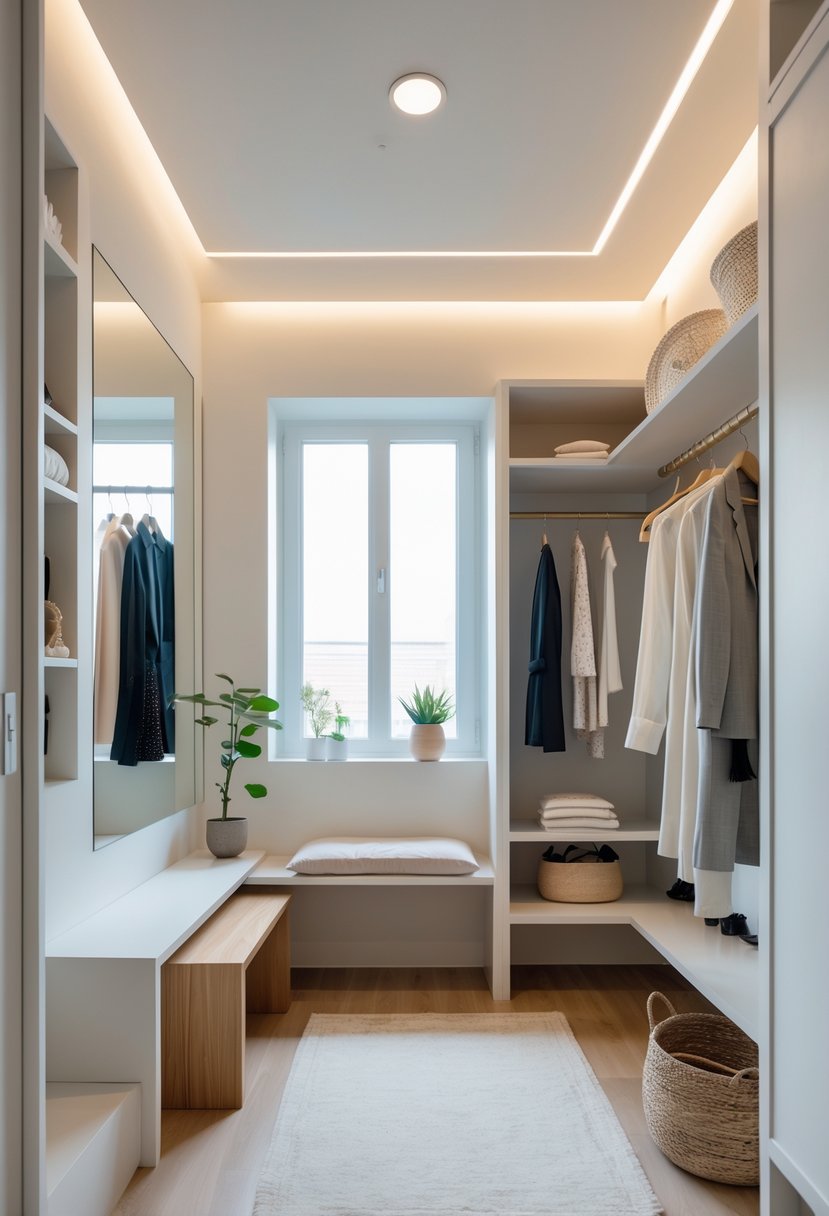
Small dressing rooms maximize functionality by using clever storage ideas and smart layouts. They make it easier to find and choose outfits quickly, adding convenience to daily routines. With good design, these compact spaces can feel both comfortable and efficient.
1) Install floor-to-ceiling closets for maximum vertical storage
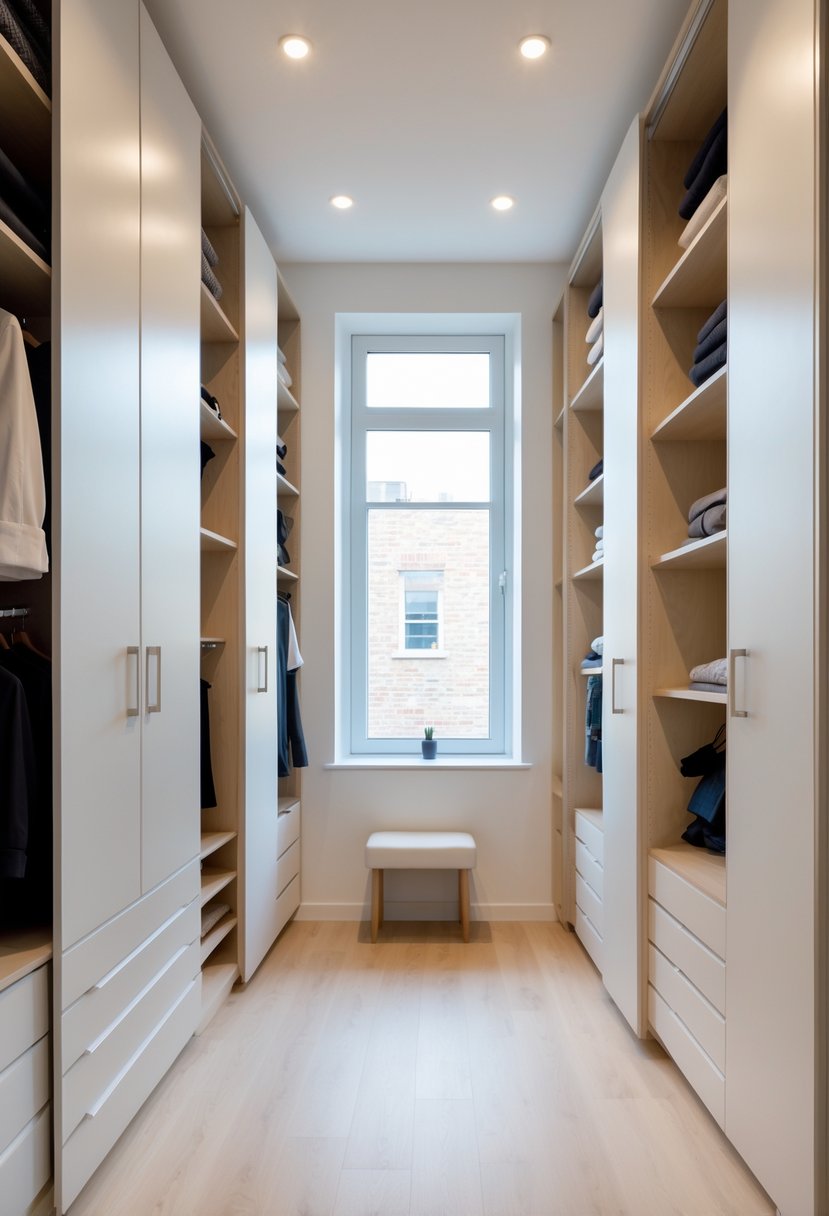
Floor-to-ceiling closets use all the available wall height. This gives more space to store clothes, shoes, and accessories without taking up extra floor space.
They can be customized with shelves, drawers, and hanging rods. This helps keep items organized and easy to find.
2) Use sliding doors to save floor space
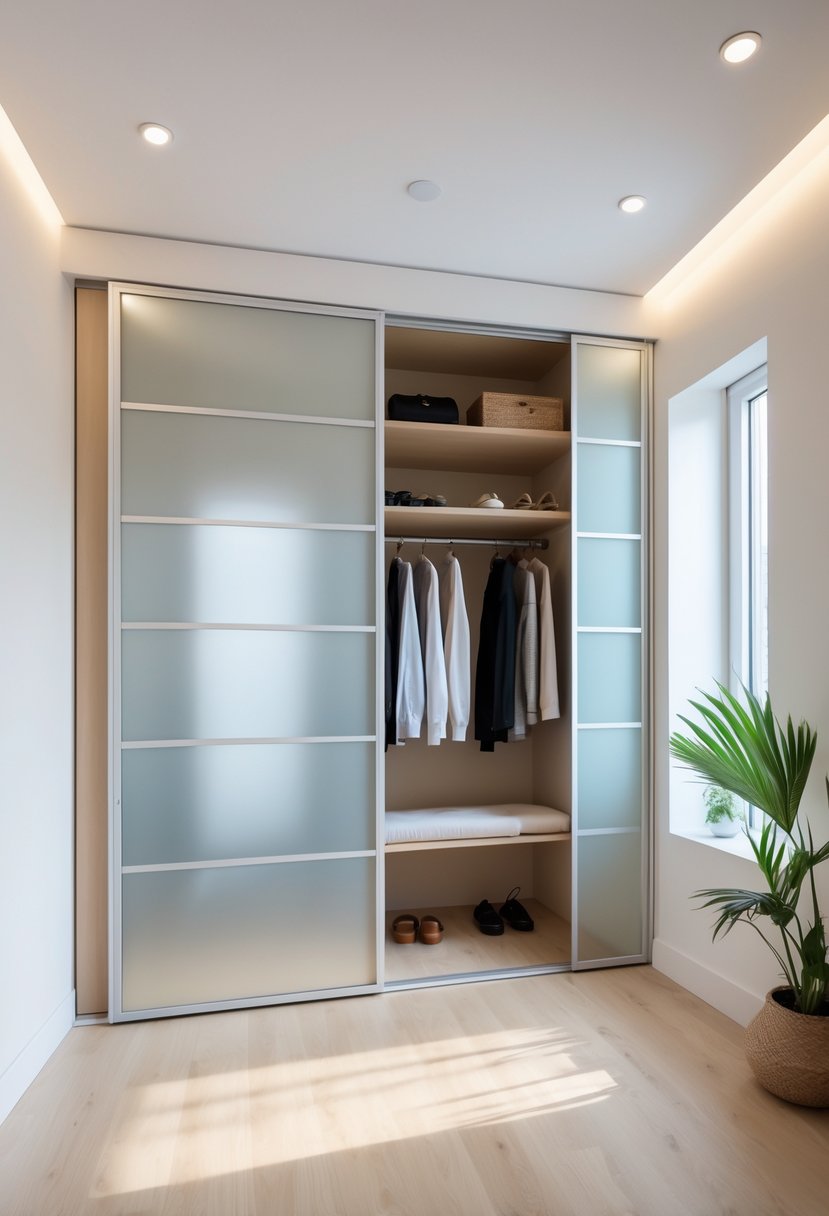
Sliding doors help save floor space by eliminating the area needed for door swings. This makes them ideal for small dressing rooms where every inch counts.
They also allow for extra shelves or rails inside the wardrobe since there is no need to keep clearance for traditional doors. Sliding doors can create a cleaner, more modern look while improving room flow.
3) Incorporate wall-mounted shelves for accessories

Wall-mounted shelves use vertical space efficiently, leaving the floor clear. They are ideal for storing folded clothes, shoes, and bags.
Adjustable shelves allow customization as storage needs change. Placing shelves at different heights helps fit items of various sizes neatly.
4) Add built-in drawers for folded clothing
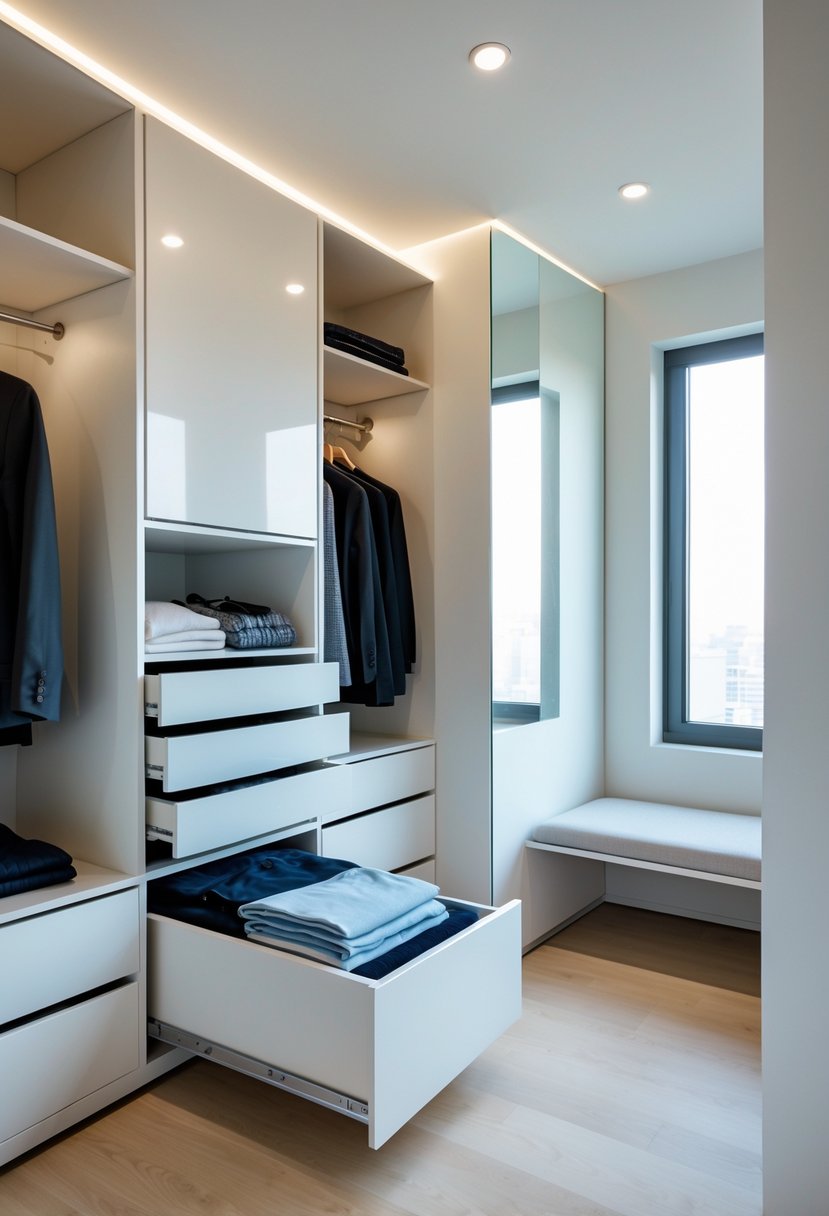
Built-in drawers offer a neat way to store folded clothes in a small dressing room. They keep items organized and easy to find without taking up extra space.
These drawers can be placed below shelves or hanging rods. This makes use of vertical space and helps keep the room tidy.
5) Opt for open shelving in easy-reach zones

Open shelving helps keep items visible and accessible. It avoids the bulky look of closed cabinets, making the space feel larger.
Placing shelves at a comfortable height allows easy access to everyday clothes and accessories. This keeps the dressing room organized and practical.
6) Use LED strip lighting under shelves for visibility
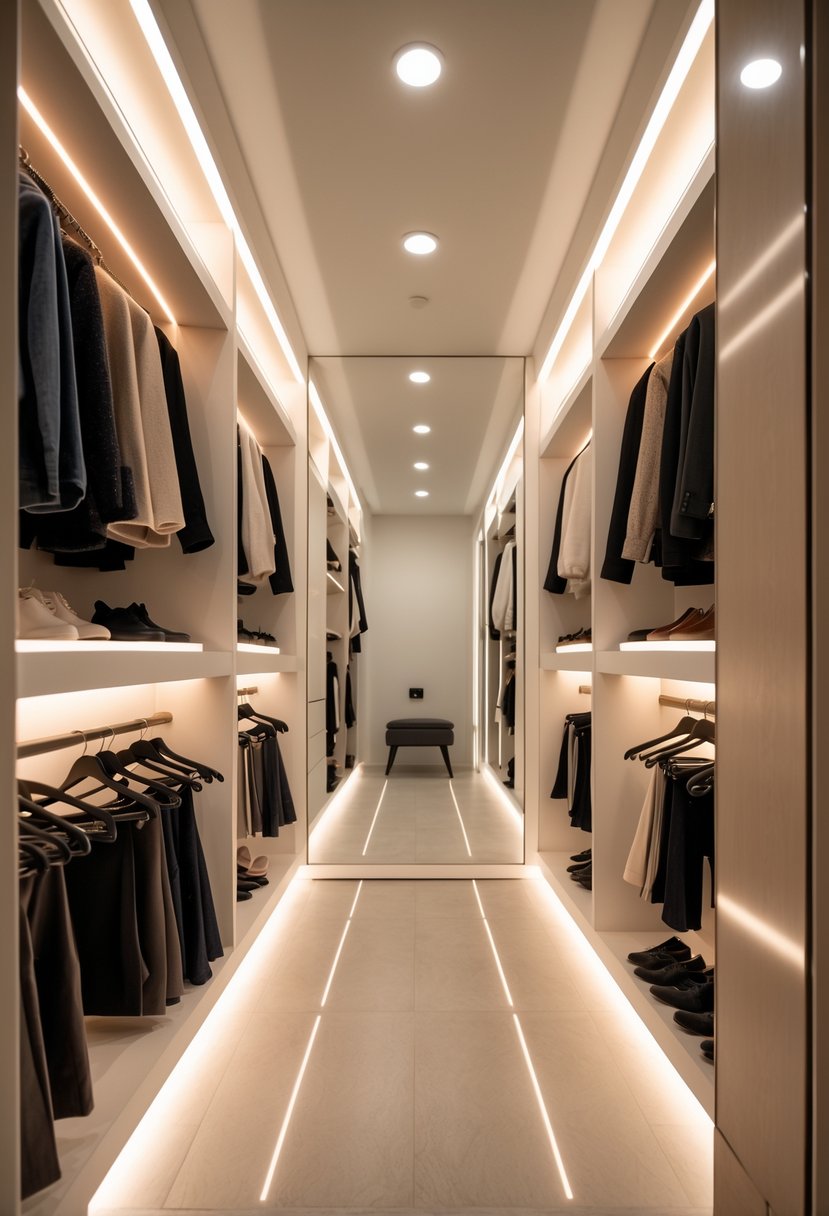
LED strip lights installed under shelves provide better visibility for clothes and accessories. They help reduce shadows, making it easier to find items quickly.
These lights are energy-efficient and can be attached with adhesive backing, so no drilling is needed. This makes them ideal for small dressing rooms where space is limited.
7) Include a full-length mirror with hidden storage
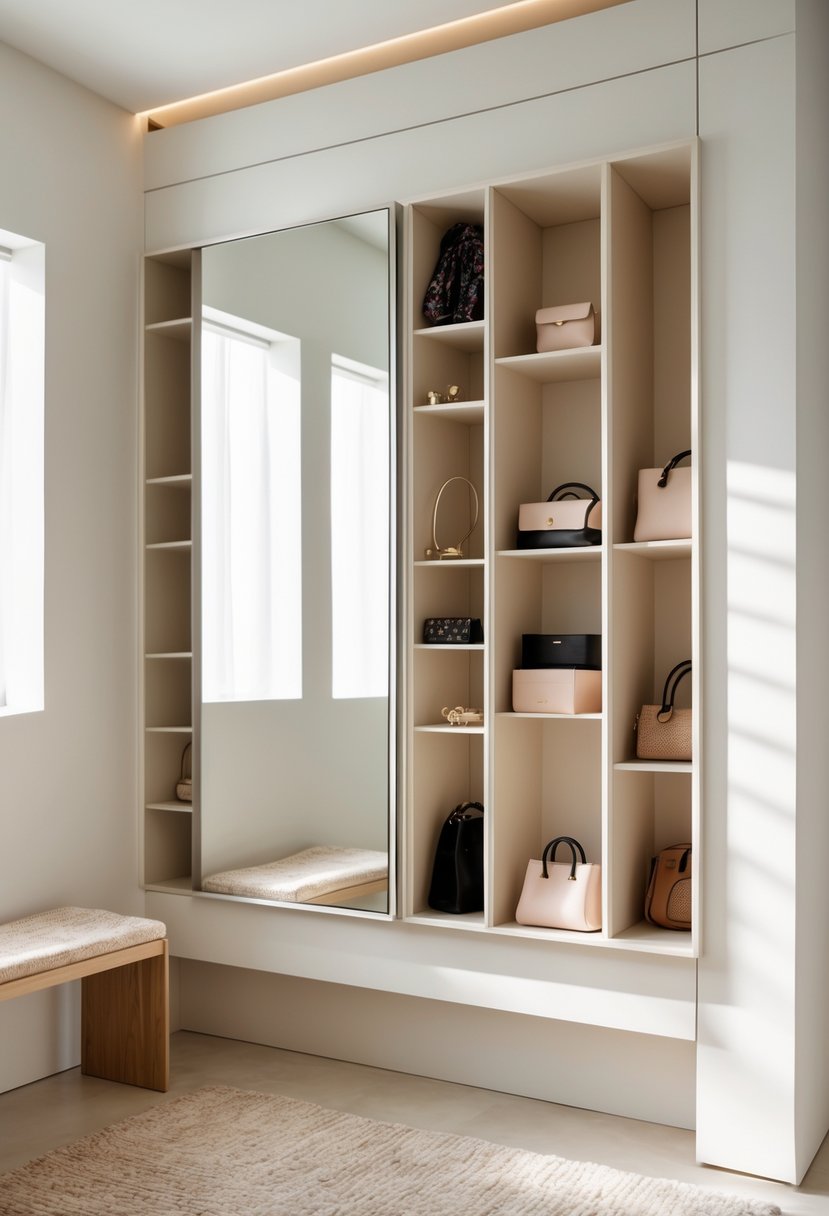
A full-length mirror helps people see their entire outfit and makes the room feel bigger. Choosing one with built-in storage adds extra space for accessories or small items.
Hidden storage behind or around the mirror keeps the dressing room tidy and saves floor space. This makes the area more organized without adding clutter.
8) Utilize corner shelving units to maximize space

Corner shelving units fit neatly into unused corners, making them ideal for small dressing rooms. They provide extra storage for shoes, accessories, or folded clothes without taking up much floor space. By using corners effectively, they help keep the room organized and free of clutter.
9) Choose neutral colors to make the room appear larger
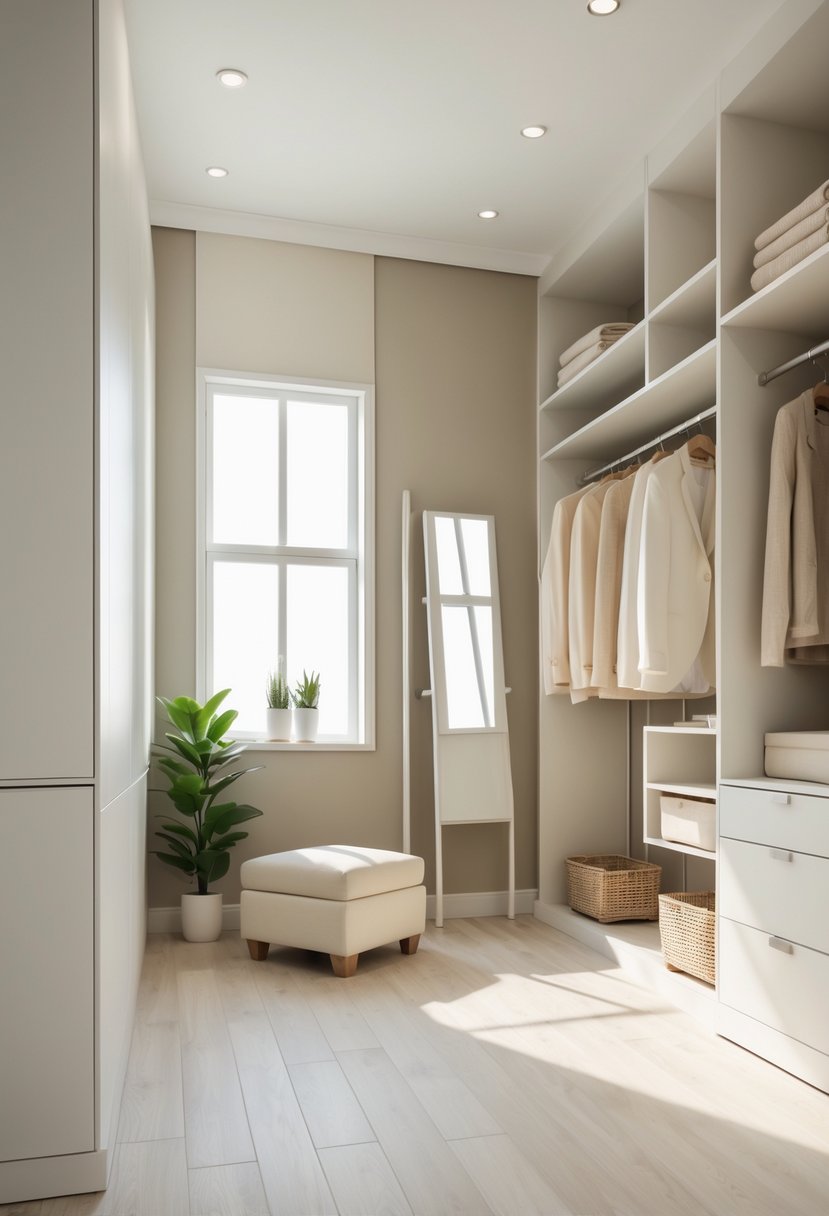
Neutral colors like white, beige, and soft grays help reflect natural and artificial light. This makes the dressing room feel more open and airy.
These shades work well with many decor styles and create a calm, uncluttered look. Using neutral paint can make even small spaces seem bigger without extra effort.
10) Incorporate a bench with storage underneath
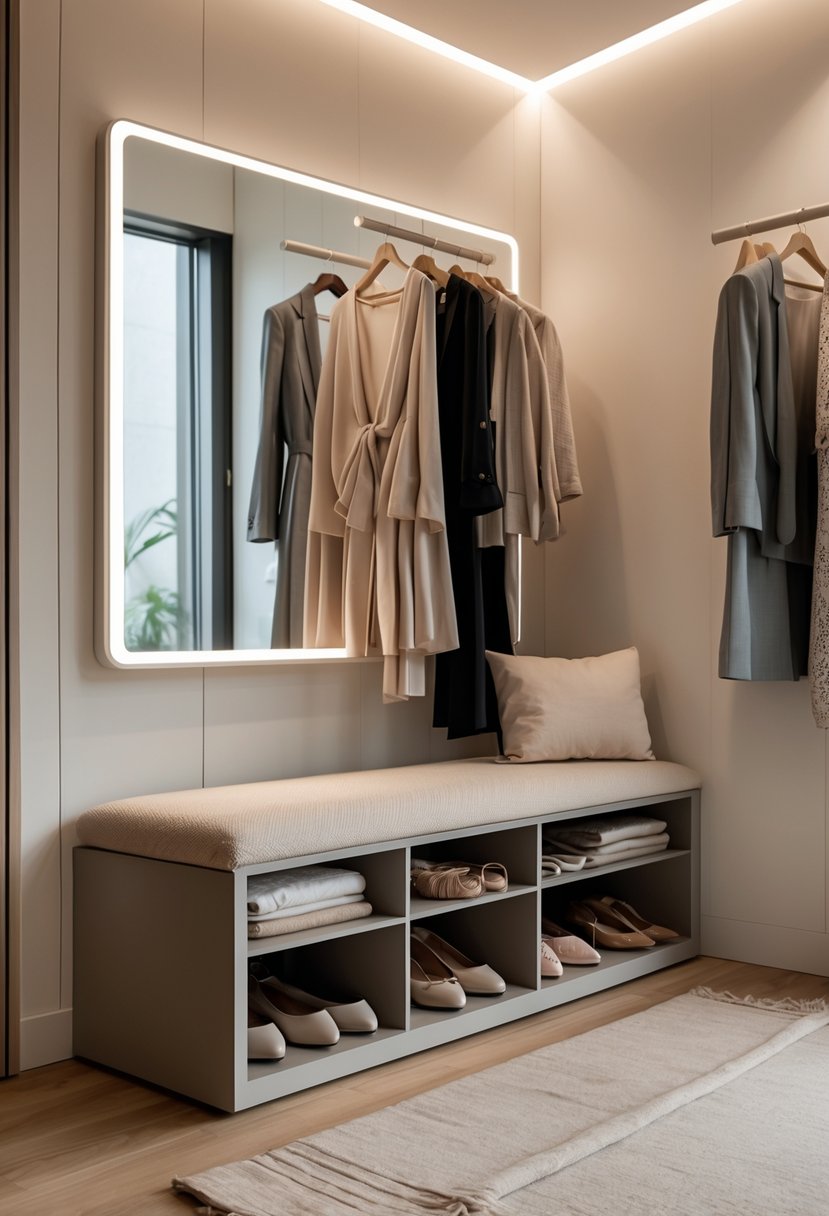
A bench with storage underneath adds both seating and organization to a small dressing room. It offers a place to sit while getting ready or trying on shoes.
The storage space below can hold shoes, bags, or seasonal clothing. This helps keep the room tidy without needing extra furniture.
Optimizing Space in Small Dressing Rooms
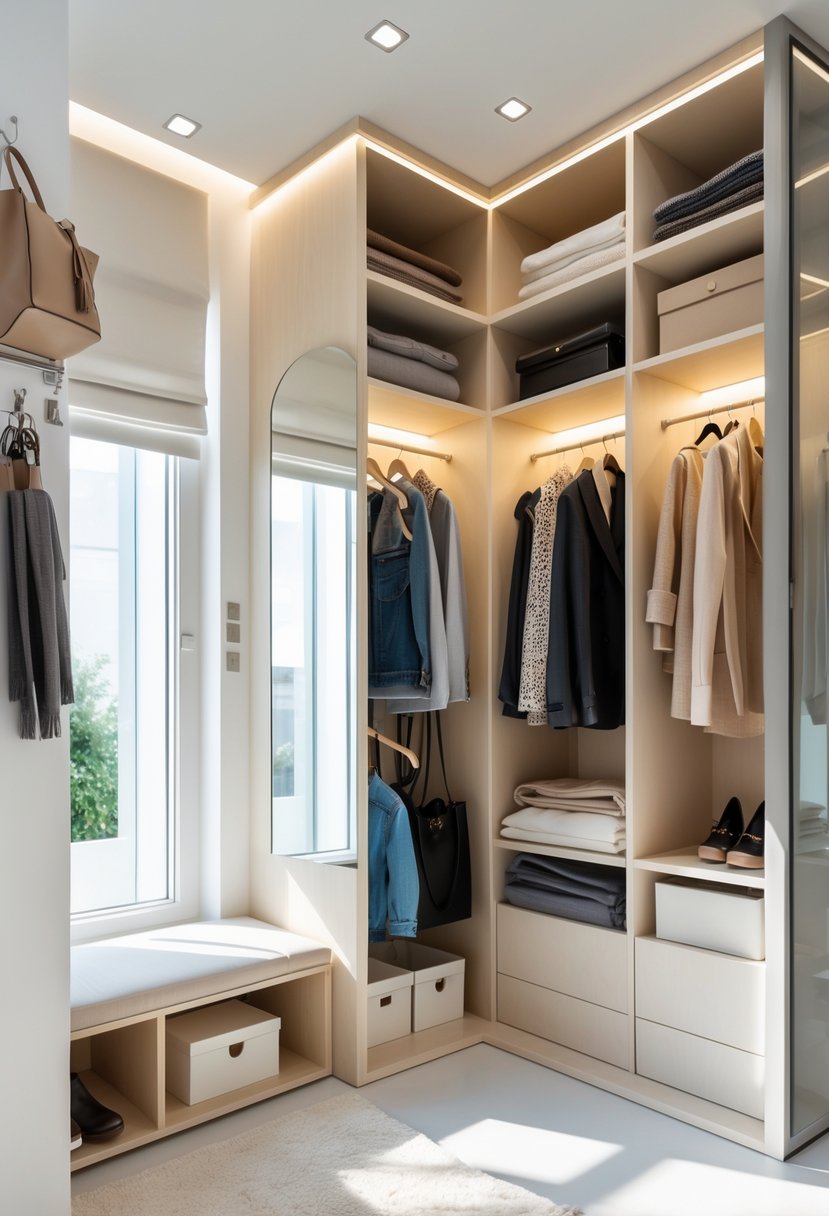
Maximizing a small dressing room requires smart planning and smart use of every inch. Key factors include choosing the right layout and utilizing all available vertical space to keep items organized and accessible.
Effective Layout Strategies
A well-planned layout makes a small dressing room feel larger and more functional. Using a corner wardrobe system helps free up floor space and creates clear zones for hanging clothes, accessories, and shoes. It’s important to keep frequently used items within easy reach to save time and reduce clutter.
Designers often recommend open shelving combined with closed storage to balance aesthetics and utility. Pathways should allow easy movement without tight squeezes. Sliding doors or mirror doors can replace swinging doors to save space and add functionality.
Clear zones for specific types of clothing—such as separate areas for shirts, pants, and shoes—help prevent overcrowding. Prioritizing flexibility, such as adjustable shelves or removable rods, lets users adapt the space as their preferences change.
Vertical Storage Solutions
Using vertical space is crucial in small dressing rooms. Wall-mounted shelves and hooks keep items off the floor while providing accessible storage. Vertical shoe racks or pull-out drawers can store footwear efficiently without taking up too much room.
Tall cabinets and floor-to-ceiling closets are practical because they use the full height of the room. This space often goes unused but can accommodate less frequently worn items on higher shelves.
Mirrors mounted on walls or cabinet doors create the illusion of more space. Hanging accessories vertically, like scarves or belts on hooks, also keeps things tidy while saving drawer space.
Key vertical solutions include:
- Wall shelves for folded clothes
- Vertical hanging rods for long garments
- Pull-out drawers for accessories
- Hooks for belts and scarves
These ideas help maximize storage without crowding the room.
Lighting and Mirror Tips
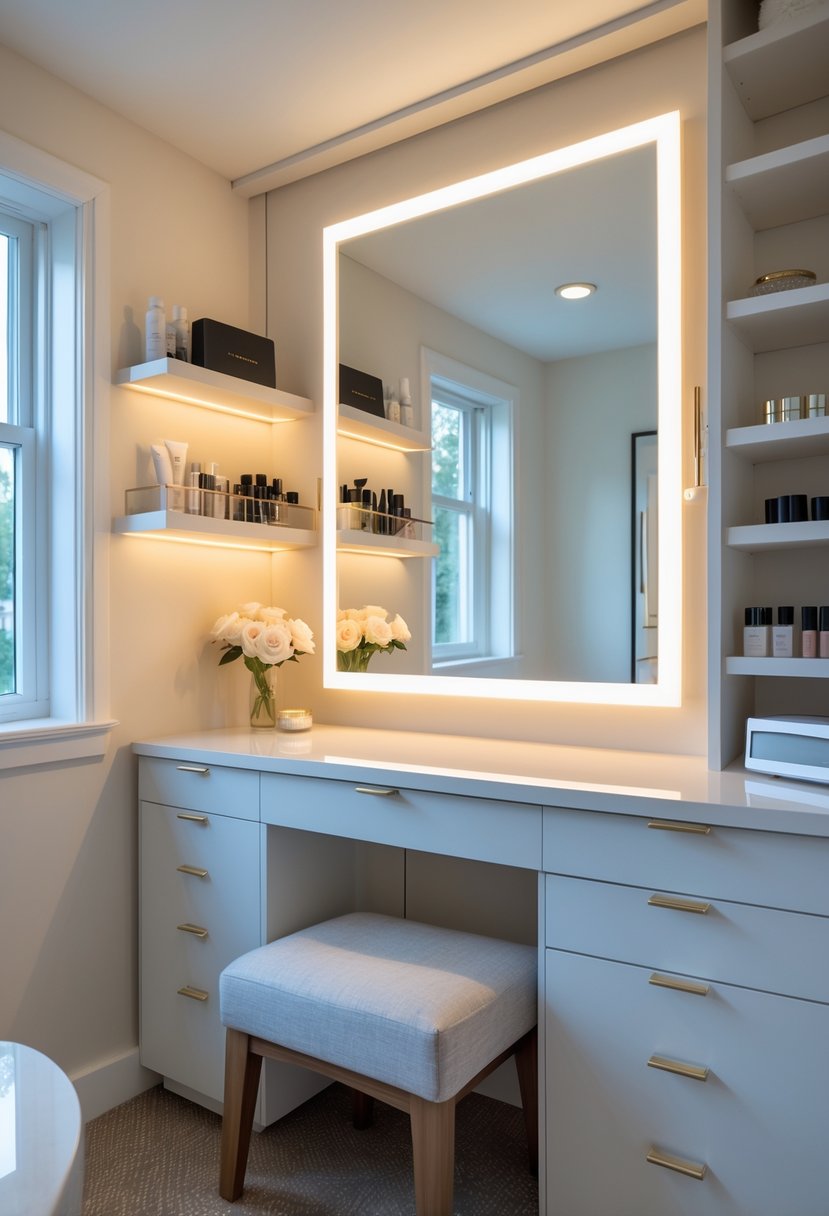
Good lighting and mirrors can make a small dressing room feel larger and more functional. Careful choices help bring out colors accurately and create a flattering space to get ready.
Choosing the Right Lighting
Soft, even lighting works best in small dressing rooms. Avoid harsh overhead lights that create shadows. Instead, use table lamps with shades or wall sconces to spread light evenly across the space.
LED bulbs with a color temperature between 2700K and 3000K offer warm light close to natural daylight. This range helps reveal true colors of clothes and makeup without straining the eyes.
Installing lighting around mirrors is essential. Lights on both sides of a mirror reduce shadows on the face. A lit vanity mirror or backlit mirror is also a smart option to improve visibility.
Use dimmers if possible. They allow adjustment of brightness depending on time of day or mood, making the room more flexible.
Maximizing Natural Light
Natural light improves how a dressing room looks and feels. Placing a mirror opposite or near a window helps reflect sunlight deeper into the room, brightening dark corners.
Clear windows or sheer curtains work well for letting in the most natural light without losing privacy. Avoid heavy drapes that block the light.
A full-length mirror near a source of daylight can visually expand the space. It also helps the person check outfits under natural lighting, which is often more accurate than artificial light.
If natural light is limited, consider light colors on walls and furniture to reflect whatever light is available. This makes the room feel larger and airier.